
Prostate Health, Herbs, and the Aging Man: A Prevention First Guide
This article is a discussion of the best herbs and lifestyle changes to support a healthy prostate gland in the aging male body. Herbs for prostate health and potential support in prevention of BPH (enlarged prostate) include saw palmetto, pygeum, pumpkin seeds or oil, and nettle root.

Check out the HHH School of Botanical Arts & Sciences for quality Christian herbal and aromatic medicine education.
Prostate Health
Let’s be honest: most men don’t enjoy talking about their prostate. Even just the word “prostate” can bring up negative thoughts of cancer, enlargement, embarrassing symptoms, and exams a man would rather avoid. As a result, many men wait until they’re getting up several times a night, struggling to start urinating, or feeling as though their bladder is never quite completely emptied before they mention the symptoms to anyone.
But prostate health can and should be proactive, and not begin with fear. Understanding what is happening in the body can not only provide some comfort, but help a man know when he needs medical intervention. Even for younger men, knowing how their body will shift as they get older is helpful and gives them time to take some preventive measures.
The prostate isn’t an isolated little gland that suddenly causes trouble one day. It’s affected by age, hormones, inflammation, metabolic health, medication use, and the overall health of the bladder, urinary tract and system. In that sense, prostate health can tell us something about the whole man. Some good news is that the same practices that can help protect the heart, blood sugar levels, muscles, sleep, and long-term vitality may also help lower the likelihood of troublesome urinary symptoms in the future.
That doesn’t mean every prostate problem can be prevented, and it also doesn’t mean that a man caused his own symptoms by doing something wrong. Aging is still the strongest risk factor for benign prostatic hyperplasia, or BPH. The fact is that there are quite a few helpful things a man can do to be helpful and preventative, and also, there are good reasons not to ignore changes when they appear.

How the Prostate Gland Changes with Age
The prostate is a small gland located below the bladder and in front of the rectum. It surrounds part of the urethra, the tube that carries urine out of the body. The prostate gland contributes fluid to semen, helping nourish and transport sperm.
In young adulthood, the prostate is often described as being about the size of a walnut. With age, prostate cells fairly commonly increase in number. This noncancerous growth is called benign prostatic hyperplasia (BPH). “Benign” means it isn’t cancer, and “hyperplasia” refers to an increase in the number of cells. This is what is meant when we hear the term, “enlarged prostate.” It’s simply growth of the prostate that isn’t cancer.
BPH becomes increasingly common with age. According to the National Institute of Diabetes and Digestive and Kidney Diseases, BPH is the most common prostate problem in men over 50. Histologic changes, which are the histolic changes (the cellular evidence for BPH) are found in roughly half of men in their 50s and in a large majority of men by their 80s. Yet prostate size and symptom severity don’t always agree. A moderately enlarged gland may cause significant symptoms in one man, while a larger gland causes surprisingly little trouble in another. Like most human bodies, the situation is highly individualized.
In terms of prostate health, how a male body responds to aging means that urinary symptoms aren’t necessarily created by the size of the prostate gland alone. Enlarged tissue may press against the urethra, but smooth-muscle tone in the prostate and bladder neck also affect urine flow. The bladder itself may become overactive or weakened with age, too. Certain conditions like diabetes, neurologic disease, infection, some medications, pelvic-floor dysfunction, and other conditions can produce similar symptoms. This is why a male who finds himself urinating more doesn’t necessarily have a prostate problem.
Hormones are part of the picture, too. Inside prostate tissue, the enzyme 5-alpha-reductase converts testosterone into dihydrotestosterone, or DHT. DHT helps support prostate growth, and when hormones and the chemicals involved are out of balance, enlargement may occur. Inflammation and metabolic dysfunction are also being studied as contributors to BPH development and progression. The biology is quite complex and isn’t simply about too much testosterone or too much estrogen.
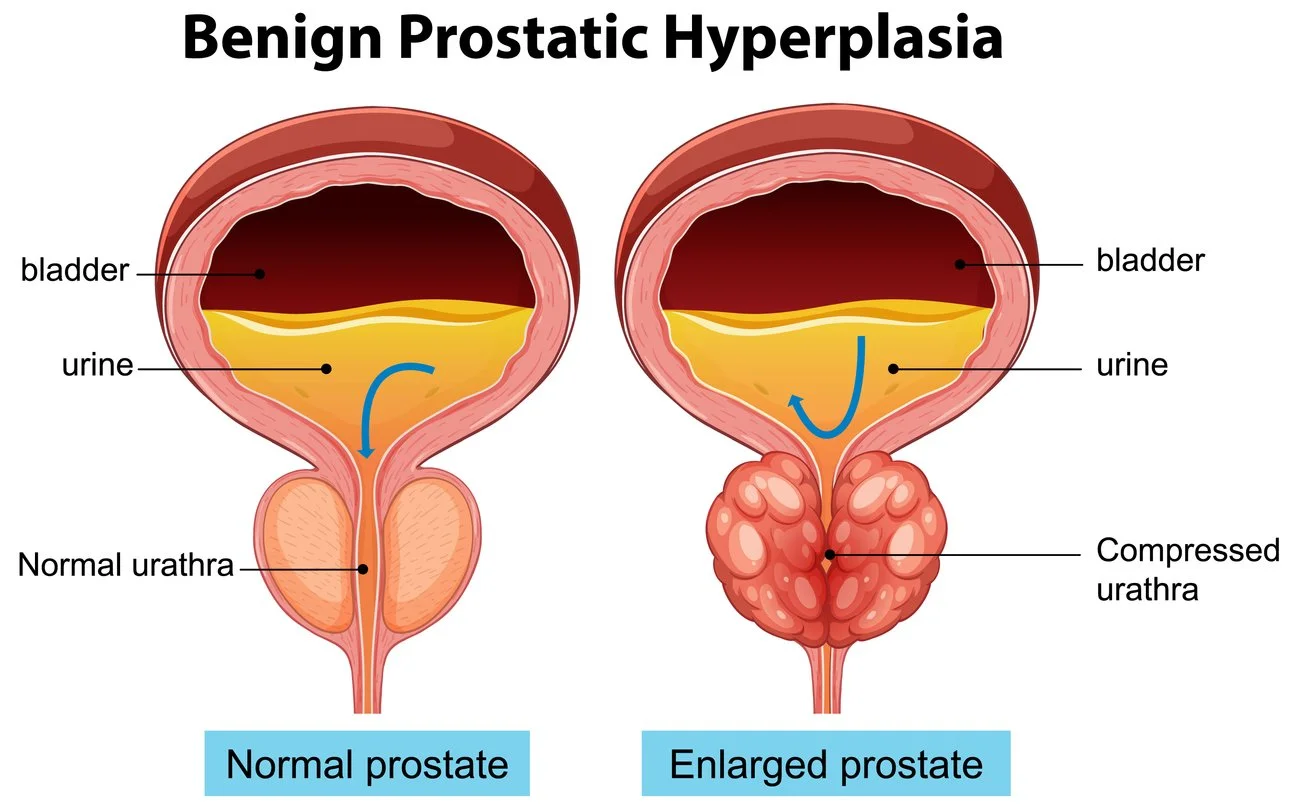
Image by blueringmedia via istockphoto
Prostate Symptoms Worth Paying Attention To
There are three main groups of urinary conditions that need attention. 1) Storage symptoms include urgency, frequent urination, nighttime urination, and occasional leakage. 2) Voiding symptoms include hesitancy in urine flow, straining, an intermittent or weak stream, and taking longer to finish. 3) After urination, some men may experience dribbling or the sensation that the bladder hasn’t completely emptied.
These are all common symptoms, but there are just too many factors for men to self-diagnose. BPH, prostate or bladder cancer, prostatitis, urinary infection, urethral narrowing, bladder dysfunction, and medication side effects can overlap, and this is why medical attention or diagnosis is needed. Decongestants, antihistamines, diuretics, and some other medicines may also worsen urinary difficulties in some men. A proper evaluation helps identify what is actually happening and establishes a baseline for future decisions. This baseline and the information from the diagnostics can help determine where herbal medicine might fit into the picture.
Here’s when medical care is needed quickly:
If a man experiences a sudden inability to urinate, if there is a block in the urine, fever or chills along with urinary symptoms, pelvic or back pain accompanying the symptoms, painful urination, vomiting, or really, any symptom that becomes very painful or very severe quickly. Any of these might signal a medical emergency..
Prostate Screening is Important
BPH isn’t prostate cancer, and having BPH doesn’t mean a man will develop cancer. However, the two conditions sometimes produce overlapping symptoms, and they can also exist in a man at the same time. This is another reason why a medical diagnosis can be helpful.
One type of screening is for PSA. Prostate-specific antigen, or PSA, is a protein made by prostate tissue. A simple blood test can detect an elevated PSA, but it can’t diagnose cancer. BPH, inflammation, infection, recent urinary procedures, and other factors can also influence the result. Meanwhile, PSA screening can help detect some cancers earlier, but it can also lead to false alarms, unnecessary biopsies, and treatment of cancers that might never have been harmful in the first place. Knowledge of the tests to be performed can help you create the best questions to discuss with your doctor, naturopath, or herbalist.
The American Urological Association says clinicians may offer a baseline PSA between ages 45 and 50. Men at increased risk—including certain ethnicities and those with a strong family history or certain inherited genetic risks—may reasonably begin testing for a baseline PSA between 40 and 45. After a baseline is established your doctor will help you to determine how often future screenings should take place. The U.S. Preventive Services Task Force recommends that men ages 55 through 69 make their decisions after discussing possible benefits and harms with a clinician.
The practical takeaway is that all men are different, and some men might need earlier interventions than others.

This 12 page herbal remedy guide includes a cheat sheet and information on how to work with 10 easy to find medicinal herbs for common needs. It’s perfect for your kitchen or home apothecary!
Preventive Measures: How Helpful Are They?
There isn’t any supplement, herb, food, or exercise program proven to guarantee that a man will never develop BPH. Still, observational research consistently connects obesity, insulin resistance, metabolic syndrome, and physical inactivity with a greater likelihood of BPH or bothersome lower urinary tract symptoms. This gives us a sensible prevention-first foundation in regard to lifestyle options as well as herbal supports that may be helpful.
Regular exercise and movement is one of the best places to start. Walking, strength training, farm work, swimming, and other forms of activity support cardiovascular and metabolic health, and higher physical activity has been associated with a lower risk of BPH and urinary symptoms. I would not describe this as simply “preventing pelvic stagnation,” because the research suggests a broader metabolic and inflammatory benefit. The prostate isn’t separate from blood circulation, blood sugar, body composition, and overall health of the man. Every organ system affects other systems and organs, so taking care of the whole body is important. Exercise does this well.
Eating whole foods and a healthy diet is just as important: eating plenty of vegetables and fruit, consuming adequate fiber, healthy fats, and few (or better yet, no) highly processed foods. Maintaining a healthy waist circumference, supporting normal blood pressure and glucose, not smoking, and keeping alcohol moderate or none at all, serves the whole body, and thus the ability for the body to remain in good health in all ways. Also beware of strange health claims, for example, that men should avoid grapefruit or all dairy products in order to prevent BPH. Claims such as these are usually not well established most of the time.
Then, there’s stress and sleep! These matter greatly, too, and taking actions to reduce stress can do wonders for the whole body.
Chronic stress isn’t proven to directly enlarge the prostate, however, chronic stress is strongly linked to various types of inflammation in the body. Stress also causes disturbed sleep, increase in muscle tension, can worsen the perception of pain, and also make urination urgency and nighttime urination more difficult to deal with. Helping a man move out of constant overdrive may not shrink his prostate, but it can support metabolic health and improve the way he experiences and manages symptoms.
Practicing deep breathing, being mindful of stress and its effects, meditation and prayer, and reducing stress in daily life can all help.
Other practical symptom-reducing habits may include limiting large amounts of fluid close to bedtime, reducing evening alcohol and caffeine, avoiding unnecessary “just in case” bathroom trips, and reviewing medications with a pharmacist, clinical herbalist, or doctor. Men should definitely not restrict fluids throughout the day because dehydration creates problems of its own.
How Should Herbal Medicine Fit In?
This is where I want to be both hopeful and truthful. Several herbs have a long history of use for urinary symptoms associated with BPH, and some men report meaningful improvement. However, keep in mind that all men are different and therefore will respond differently to herbs, just as they do with medications. Here are some herbs to consider. Some of these will be more aligned with “treatment,” while others are wonderful for both prevention and treatment.
Saw Palmetto (Serenoa repens)
Saw palmetto (Serenoa repens) is probably the best-known herb for supporting the prostate gland. Its fat-soluble constituents have demonstrated several potentially relevant actions in laboratory studies, including effects involving the enzyme 5-alpha-reductase and inflammatory pathways. Specifically, saw palmetto can inhibit this enzyme that is resonsible for converting testosterone into dihydrotestosterone (DHT), which is a potent androgen that causes prostate tissue growth.
Saw palmetto is most effective in the early to moderate stages of BPH. If a man is already experiencing significant urinary obstruction (meaning he is straining, retaining urine, getting infections, or waking up multiple times during the night to urinate) then he should see a medical doctor for evaluation. Saw palmetto can still be helpful, but it’s just not going to help with mechanical blockage. For prevention, though, saw palmetto is one of the best studied herbal options.
Also, it’s important to note that saw palmetto’s helpful constituents are fat soluble. These are the fatty acids and plant sterols the berries contain. Therefore, herbal teas containing saw palmetto won’t do anything.
The best thing for him to do is to use a high quality extract in standardized form. The most common dose of extract in clinical research is this: “Standardized liposterolic extract (85-95% fatty acids and sterols): 320 mg once daily.”
You can also use saw palmetto in tincture form, but you’ll need a pretty substantial amount of 2 to 4 ml three times a day of a dried-berry tincture made at 1:5 in 50% alcohol. Also, larger men may need a little more.
Taking some herbal coursework or working with an herbalist or naturopath can help you decide the best route for the man you love (or yourself, if you are that man).
There are saw palmetto capsules on the market, but I think these are the weakest form because the raw berry powder isn’t the same as the standardized liposterolic extract.
Saw palmetto is well tolerated by most men, too.
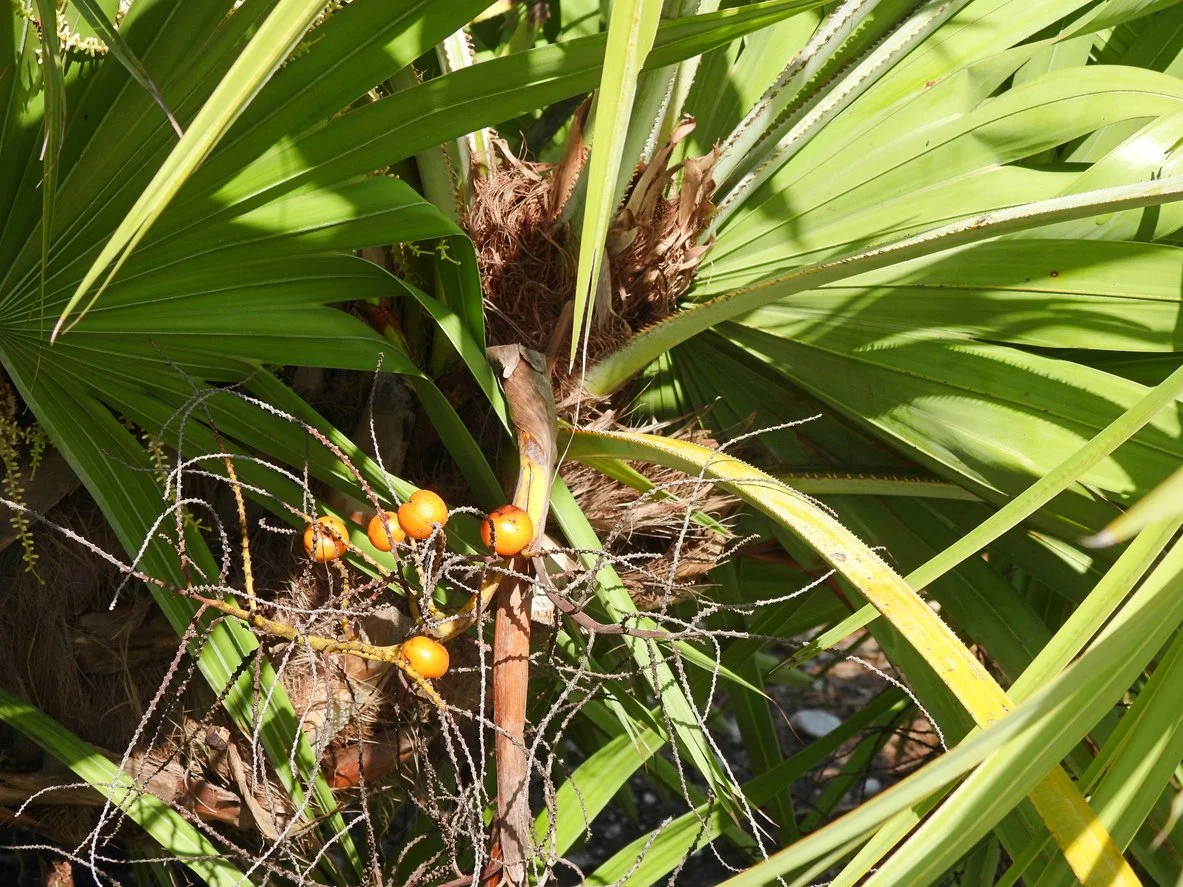
Image credit: Sandi Smoker via istockphoto
Nettle Root (Urtica dioica)
Nettle root (Urtica dioica) is different from the mineral-rich nettle leaf that most herbalists love to use as food or tea. A limited body of clinical evidence suggests that root preparations may improve some lower urinary tract symptoms, including when paired with saw palmetto. There is some evidence that nettle root may improve urinary flow and reduce frequency of urination. It’s also a very safe and gentle herb, and it pairs beautifully with saw palmetto.
Pygeum (Prunus africana)
African plum or pygeum (Prunus africana) bark also has limited evidence for short-term improvement in urinary symptoms and flow. Unfortunately, Prunus africana is a vulnerable African tree that has faced destructive wild harvesting, so if it is used, the product should come from a traceable, responsibly cultivated or sustainably managed source. Pygeum is more of a supporting herb in a formulation, not the heavy hitter. I’m mainly sharing this herb with you here so if you see it in a commercial formulation, you’ll know about it.
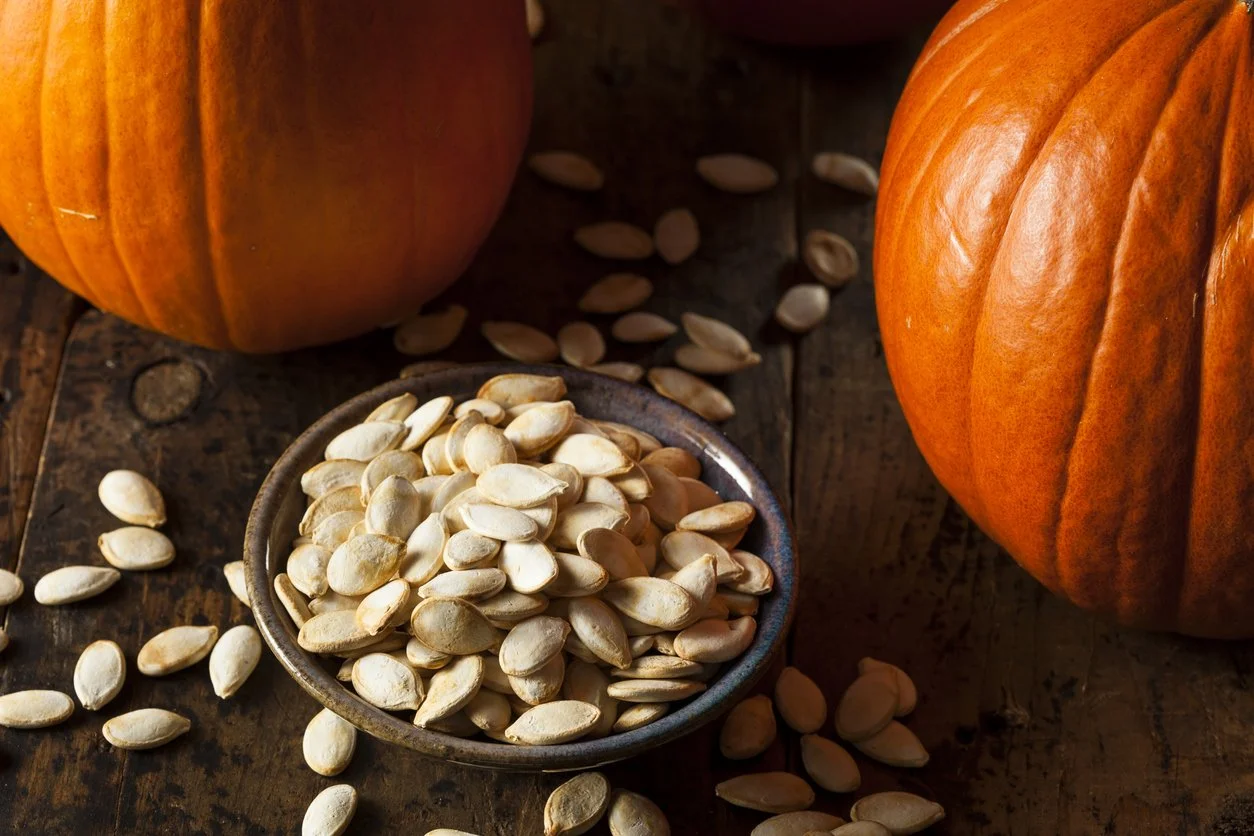
Image credit: bhofack2 via istockphoto
Pumpkin Seed (Cucurbita pepo)
Pumpkin seed (Cucurbita pepo) and pumpkin seed oil are appealing and inexpensive food-based options. Pumpkin seed and oil are both nourishing foods containing phytosterols, fatty acids, magnesium, and zinc, and they fit beautifully into a prostate-supportive whole-food plan. Whether you choose the oil or the ground seeds, they’re easy to find and to use. Two tablespoons of ground seeds daily is a great addition to a man’s diet.
The bottom line is that saw palmetto and nettle root are the two best herbs to know and consider first for daily preventive use for men in their 40’s or 50’s. Pumpkin seed and pygeum are also worth knowing about, especially pumpkin seeds.
Taking Prevention Seriously
The best prevention plans are the simple ones, right?
First, create a life that supports the whole man: Get enough exercise including some strength training, reduce or stop alcohol and tobacco, drink enough water, reduce stress and inflammation, and get enough healthy sleep.
Second, don’t ignore steadily worsening urinary symptoms simply because they seem common in the aging male body. If you have concerns, be sure to get evaluated by a medical practitioner. Then, you can put your plan together.
Third, if you choose to add an herbal approach to your plan, choose high-quality and sustainable products.
Prostate health begins decades before problems appear. Taking care of your whole body and living a life of intention and design is the smart thing to do. Then, when you choose herbs as supplements and supports, it won’t be out of fear. Taking care of your body early on gives a man a far better chance of having a healthy life with vitality as he ages.
Final Thoughts
The scientific evidence doesn’t support giving every healthy middle-aged man saw palmetto, nettle root, or pygeum simply to prevent future enlargement. However, it does support doing some simple things: evaluate urinary symptoms, use lifestyle practices that protect overall metabolic health, and consider selected herbal preparations for mild-to-moderate symptoms only after more serious causes have been addressed or if an otherwise healthy man is in the proper age range.
Addendum and Research Notes: What the Evidence Actually Shows
I’ve included the following notes separately so you can understand the science behind an herbal approach to prostate health.
BPH, Aging, and Lifestyle
Prevalence and evaluation: The National Institute of Diabetes and Digestive and Kidney Diseases identifies BPH as the most common prostate problem in men over 50. It also emphasizes that urinary symptoms should be evaluated because an enlarged prostate is only one possible cause. Treatment may range from watchful waiting and lifestyle adjustments to medication or surgery, depending on symptom severity and complications.
Physical activity: A systematic review and meta-analysis by Parsons and Kashefi examined 11 studies involving 43,083 men. Moderate-to-vigorous physical activity was associated with a lower risk of BPH or lower urinary tract symptoms. This is an association rather than proof that exercise prevents BPH, but it supports regular movement as part of a whole-health plan.
Metabolic health: Reviews of epidemiologic research have repeatedly found connections among obesity, metabolic syndrome, prostate volume, and lower urinary tract symptoms. The authors also note an important limitation: randomized trials testing weight loss, diet, or exercise as BPH treatments remain scarce. The responsible conclusion is that metabolic health appears relevant and is worth supporting—not that a particular diet will prevent prostate enlargement.
Saw Palmetto (Serenoa repens)
The most important modern review is the 2023 Cochrane analysis of 27 randomized or quasi-randomized studies involving 4,656 men. The reviewers concluded that saw palmetto used alone provides little or no improvement in urinary symptoms or quality of life compared with placebo. The role of combination herbal products remains uncertain.
This does not mean every saw palmetto product is chemically identical. Extracts vary in fatty-acid and sterol content, and some individual studies of specific preparations have reported benefit. Still, the broad claim that saw palmetto is as effective as finasteride is not supported strongly enough to use in patient or consumer education.
Clinical studies have generally examined lipid-rich extracts rather than tea. Therefore, evidence from those trials cannot be transferred to a water infusion.
Nettle Root (Urtica dioica)
A randomized, double-blind trial involving 558 men reported greater symptom improvement with nettle root than with placebo after six months, along with improvements in urinary flow and post-void residual volume. However, the trial’s unusually large effect and the limited number of high-quality replications call for caution.
Reviews describe the evidence as encouraging but limited. Nettle root may be considered for mild, evaluated symptoms, particularly under professional guidance, but it cannot be called a proven BPH preventive.
African Plum or Pygeum (Prunus africana)
A Cochrane review of 18 randomized trials involving 1,562 men found that standardized Prunus africana extracts produced moderate short-term improvement in combined urinary symptoms and flow measures compared with placebo. Men receiving the extract were more likely to report overall improvement, while reported adverse effects were generally mild.
The studies were small, short, used differing preparations, and were mostly conducted several decades ago. These limitations reduce confidence in the exact size of the benefit.
Clinical evidence is only part of an herbal recommendation. Because the tree is vulnerable and its bark has historically been harvested destructively, traceable and sustainable sourcing is essential.
Pumpkin Seed and Pumpkin Seed Oil (Cucurbita pepo)
In a one-year randomized, placebo-controlled study, whole pumpkin seed produced a clinically relevant reduction in International Prostate Symptom Score, although the pumpkin seed extract arm did not clearly outperform placebo on the primary response measure. The products were well tolerated.
A 2021 single-blind randomized trial compared pumpkin seed oil with tamsulosin. Both groups improved, but tamsulosin produced greater symptom relief. Because there was no placebo group and the study was relatively small, it should be viewed as promising rather than conclusive.
Eating pumpkin seeds as a nourishing food is reasonable. Treating a food serving as equivalent to a standardized clinical extract is not.
Zinc
Zinc is essential, but routine high-dose supplementation is not a harmless prostate strategy. The National Institutes of Health lists 11 milligrams per day as the Recommended Dietary Allowance for adult men and 40 milligrams per day as the tolerable upper intake level. Taking excessive zinc over time can interfere with copper absorption and cause neurologic and hematologic problems. Supplementation should account for food intake, multivitamins, and other products so the total dose is not overlooked.
The Honest Herbal Conclusion
The evidence does not support giving every healthy middle-aged man saw palmetto, nettle root, or pygeum simply to prevent future enlargement. It does support a more thoughtful approach: evaluate urinary symptoms, use lifestyle practices that protect overall metabolic health, and consider selected herbal preparations for mild-to-moderate symptoms only after more serious causes have been addressed. That position is neither anti-herb nor overmedicalized. It is exactly where good traditional practice and responsible modern research should meet.
References
National Institute of Diabetes and Digestive and Kidney Diseases. “Enlarged Prostate (Benign Prostatic Hyperplasia).” https://www.niddk.nih.gov/health-information/urologic-diseases/prostate-problems/enlarged-prostate-benign-prostatic-hyperplasia
Wei JT, et al. “Early Detection of Prostate Cancer: AUA/SUO Guideline Part I: Prostate Cancer Screening.” Journal of Urology. 2023;210(1):46–53. https://www.auanet.org/documents/Guidelines/PDF/Early%20Detection%20Prostate%20Cancer/EDPC%20Unabridged%20FINAL.pdf
U.S. Preventive Services Task Force. “Prostate Cancer: Screening.” https://www.uspreventiveservicestaskforce.org/uspstf/recommendation/prostate-cancer-screening
Parsons JK, Kashefi C. “Physical Activity, Benign Prostatic Hyperplasia, and Lower Urinary Tract Symptoms.” European Urology. 2008;53(6):1228–1235. https://pubmed.ncbi.nlm.nih.gov/18358592/
Raheem OA, Parsons JK. “Associations of Obesity, Physical Activity and Diet with Benign Prostatic Hyperplasia and Lower Urinary Tract Symptoms.” Current Opinion in Urology. 2014;24(1):10–14. https://pubmed.ncbi.nlm.nih.gov/24247174/
Franco JVA, et al. “Serenoa repens for the Treatment of Lower Urinary Tract Symptoms Due to Benign Prostatic Enlargement.” Cochrane Database of Systematic Reviews. 2023. https://www.nccih.nih.gov/health/saw-palmetto
National Center for Complementary and Integrative Health. “Benign Prostatic Hyperplasia and Complementary and Integrative Approaches.” https://www.nccih.nih.gov/health/providers/digest/benign-prostatic-hyperplasia-and-complementary-and-integrative-approaches
National Institutes of Health, Office of Dietary Supplements. “Zinc: Fact Sheet for Health Professionals.” https://ods.od.nih.gov/factsheets/Zinc-HealthProfessional/
Safarinejad MR. “Urtica dioica for Treatment of Benign Prostatic Hyperplasia: A Prospective, Randomized, Double-Blind, Placebo-Controlled, Crossover Study.” Journal of Herbal Pharmacotherapy. 2005;5(4):1–11. https://pubmed.ncbi.nlm.nih.gov/16635963/
Wilt T, et al. “Pygeum africanum for Benign Prostatic Hyperplasia.” Cochrane Database of Systematic Reviews. 2002. https://pubmed.ncbi.nlm.nih.gov/11869585/
Vahlensieck W, et al. “Effects of Pumpkin Seed in Men with Lower Urinary Tract Symptoms Due to Benign Prostatic Hyperplasia in the One-Year, Randomized, Placebo-Controlled GRANU Study.” Urologia Internationalis. 2015;94(3):286–295. https://pubmed.ncbi.nlm.nih.gov/25196580/
Zerafatjou N, et al. “Pumpkin Seed Oil (Cucurbita pepo) versus Tamsulosin for Benign Prostatic Hyperplasia Symptom Relief: A Single-Blind Randomized Clinical Trial.” BMC Urology. 2021;21:147. https://pubmed.ncbi.nlm.nih.gov/34666728/
This article is for education and is not a substitute for individual diagnosis or treatment. Men with new, persistent, or worsening urinary symptoms should consult a qualified healthcare professional before beginning an herbal protocol.